Water Quality Monitoring
Water Quality Data for the Soque River Watershed
| Location | Date | E. Coli | Total Coliform | Turbidity | Conductivity | Rainfall |
|---|---|---|---|---|---|---|
| Pitts Park | 2026-10-20 | 630 | 6,770 | 4.94 | 40 | 0 in |
| Rocky Branch Creek at Soque Greenway Trail | 2026-10-20 | 630 | 22,470 | 10.3 | 50 | 0 in |
| Jackson Bridge | 2026-10-20 | 200 | 7,170 | 1.95 | 30 | 0 in |
Estimated E. coli count per 100mL of water:
High (E. coli > 235)
Low (E. coli ≤ 235)
Resources
Estimated risk level based on EPA Beach Action Value information.
The public is advised to check the National Park Service Chattahoochee River National Recreation Area (CRNRA) website and other Regulatory agencies for potential river advisories before accessing the river.
A Background on Water Quality Indicators
E. coli
E. coli is a type of bacteria found in the intestines and feces of warm-blooded animals, making it a strong indicator of fecal contamination in water. High E. coli levels can indicate sewage and septic failures or runoff. It is also a good indicator for additional pathogens that may occur in waterways, as it survives in similar conditions to other pathogens.
Total Coliform
Total coliform consists of a variety of coliform bacteria, many of which are not fecal and often harmless. It can help track overall contamination trends, although it does not offer the same level of insight into fecal contamination as E. coli. It is also an indicator of additional pathogens, indicating the suitability of the environment that allows pathogens to occur.
Expression of Data
E. coli and total coliform are reported as “most probable number” (MPN), an estimate of bacterial levels, hence the “most probable”. Essentially, it is the concentration of E. coli or coliform bacteria that is most likely to occur per 100 mL of water.
Turbidity
Turbidity measures water clarity based on suspended particles and increases due to erosion, runoff, or disturbances. Simply put, it is the “cloudiness” of water. High turbidity can harm aquatic life and may also coincide with increased E. coli after storm events.
Conductivity
Conductivity measures how well water conducts electricity, which changes with dissolved substances like salts and metals. Comparing readings to a site’s normal baseline helps flag unusual shifts that may indicate pollution.
Risk Level
Green means E. coli does not exceed 235 cfu/100 mL, indicating lower risk and generally safer recreation. Red means E. coli exceeds 235 cfu/100 mL, indicating a higher risk and that people and pets should avoid recreational use, following BacteriALERT Realtime Monitoring standards.
SRWA Volunteers Needed
We love our volunteers and couldn’t operate without them. If you have time and energy to offer, please let us know.
Trash and Debris Clean-Up Projects
We need volunteers willing to spend several hours once per quarter to collect unwanted trash and debris on our public riverbanks and greenways around the Clarkesville and Habersham County area. Gloves, trash bags, water, and hand sanitizer will be provided at each clean-up effort.
Water Collection
The SRWA is always looking for new and additional weekly water collection volunteers, called the Neighborhood Water Watch (NWW) Team. With over 20+ river and creek program collection sites, the need for new volunteers is an ongoing challenge.
Email our lab tech, Leah, for any inquiries about volunteering.
Email: leah@soque.org
Event Set-up & Greeters
The SRWA normally has one event scheduled each month throughout the calendar year. Without volunteer help, key events like fundraisers, annual meetings, meet & greet functions, recognition ceremonies, etc. would not be possible! If you are willing to donate your time periodically, the SRWA Team would welcome your generous assistance.
Outdoor River Work and Planting Projects
The SRWA plans to have three to four key outdoor work and planting projects each year. Like most big projects, we cannot complete them without the involvement of our volunteer teams.
Photographer or Drone Flyer
The SRWA Team loves sharing with our community beautiful river and watershed videos, event photos, special member moments, etc., but we lack the experience and the volunteers needed to meet this commitment.
Outdoor Events Coordinator
The SRWA Team has a strong history of providing our community with opportunities to participate in many enjoyable outdoor activities. We would like to maintain this program, but we need volunteers who would be willing to help organize and execute SRWA-sponsored activities. These include and are not limited to nature hikes, photo trips, kayak excursions, greenway walks, student field trips, etc.
School Advocacy and Outreach Programs
We strive to inspire the next generation by volunteering in our SRWA school outreach programs, delivering engaging lessons and presentations focused on conservation, clean drinking water, environmental challenges, and the importance of volunteerism.
Our Projects
Protecting the Soque River
Our nonprofit is dedicated to safeguarding the Soque River’s water quality in northeast Georgia. Through community clean-up events, water testing initiatives, and educational programs, we strive to preserve this vital natural resource for future generations.
River Bank Restoration
Restoring river banks is essential for maintaining healthy ecosystems and preventing soil erosion. By planting native vegetation and reinforcing banks with natural materials, we can improve water quality and provide habitat for wildlife. Riverbank restoration also helps mitigate flood risks while enhancing the aesthetic appeal of natural landscapes.
Culvert Inspections
Regular culvert inspections are crucial for ensuring the proper flow of water and preventing blockages that can lead to flooding. By identifying and addressing structural issues early, we can maintain effective drainage systems and protect surrounding areas from water damage. Inspections help in ensuring that culverts meet environmental and safety standards, promoting long-term infrastructure resilience.

Spillways
Spillways play a vital role in managing water levels in dams and reservoirs, preventing overflow and potential downstream flooding. Properly designed and maintained spillways ensure the safe release of excess water during heavy rainfall or snowmelt. Regular maintenance and monitoring of spillways are necessary to safeguard communities and ecosystems from water-related disasters.
Water Quality Testing
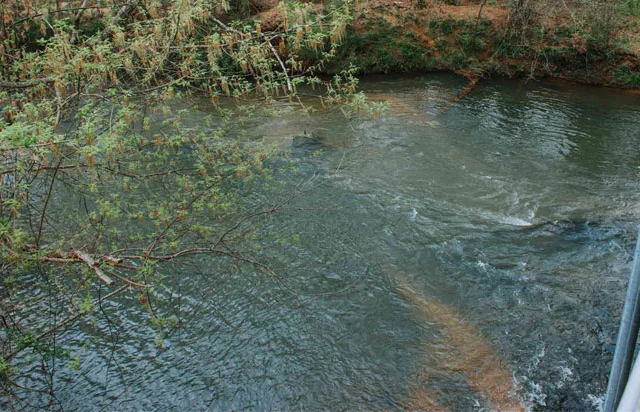
Water quality testing is fundamental for protecting public health and maintaining the ecological balance of water bodies. By regularly analyzing samples for contaminants, we can detect pollution sources and take corrective actions to ensure safe, clean water for all. Consistent monitoring helps track improvements and identify emerging threats to water quality.

Other
Additionally, our efforts include community education, habitat restoration, and advocacy for stronger environmental policies. We engage with local stakeholders to promote sustainable water management practices and support research initiatives aimed at understanding and preserving our waterways. By fostering a collaborative approach, we strive to create a healthier and more resilient environment for future generations.
Recreation on the Soque
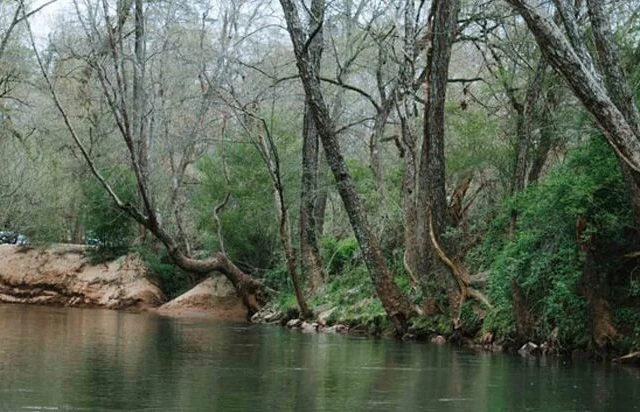
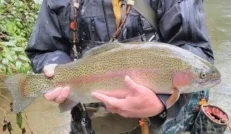
The Soque River is an angler’s paradise, featuring a variety of fishing outfitters and private fisheries that cater to both beginners and seasoned fishermen, ensuring a memorable and productive fishing experience. Even if you aren’t an angler, you can take in the river’s beauty by visiting the Soque Greenway Trail or Pitts Park, both located in Clarkesville.

Best Drinking Water
City of Clarkesville awarded best drinking water. This water is served from the Soque River.
Visit our water quality section to view the most recently recorded E. coli levels at Pitts Park. Concentrations below 235 MPN/100mL are considered ideal. It is often considered safe for your dog to drink from the river. However, contaminants and pathogens, like E. coli, significantly increase after rain events and high temperatures. Keep conscious of sudden changes that may occur due to these reasons.
Yes, we have a catch-and-release section at the Soque Greenway where fishing is allowed. Additionally, you can trout fish with Soque River Outfitters. Sections around Pitts Park are less desirable for fish at this time. We are working on it at this time. We welcome you to volunteer or donate to the cause.
Ready to Partner With SRWA?
Join as a 2025 Business Member or schedule a partnering review session to explore the best-fit support option for your company.