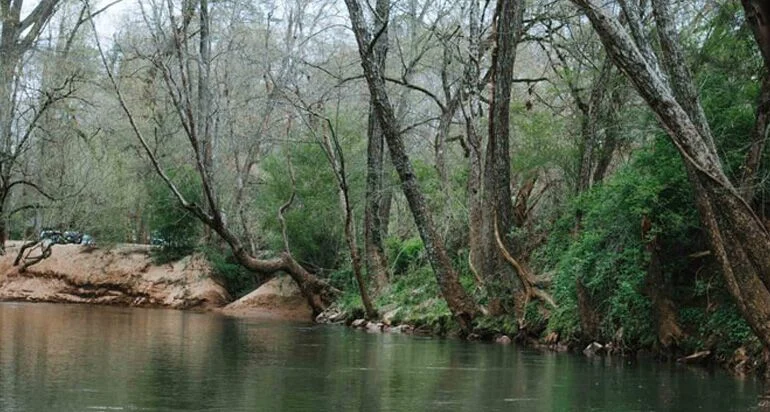
River Bank Restoration
Why River Bank Restoration Matters
river banks are the lifelines of our rivers, providing essential habitat for wildlife, preventing erosion, and maintaining water quality. Over time, human activities, natural erosion, and invasive species can damage these banks, leading to severe ecological consequences.
Our River Bank Restoration Process
Assessment and Planning: We conduct thorough assessments to understand the extent of erosion and identify the best restoration techniques.
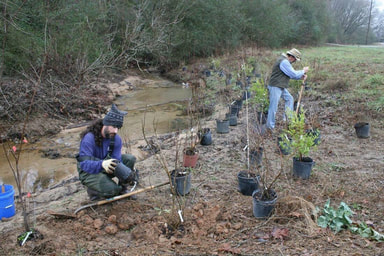
Native Planting: We use native plants to stabilize the soil and create a resilient bank that supports local wildlife.
Structural Enhancements: In some areas, we use structures like coir logs, rock armoring, and bioengineering techniques to provide additional stability.
Ongoing Monitoring: After restoration, we regularly monitor the site to ensure the bank remains stable and the ecosystem thrives.
How You Can Help
Community involvement is essential to the success of our river bank restoration projects. Here are ways you can contribute:
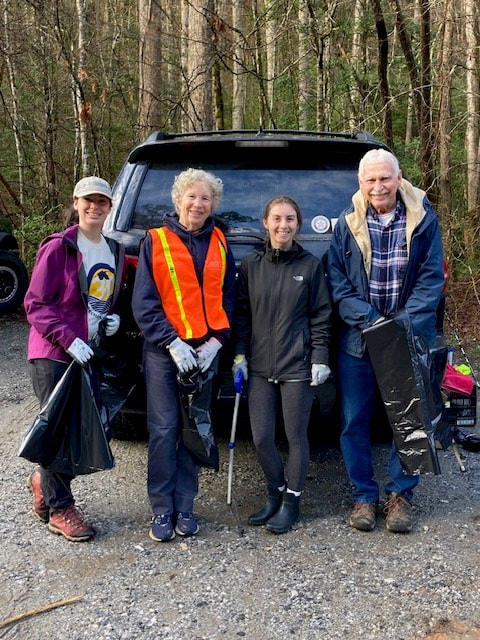
- Volunteer: Join our restoration teams for planting days and maintenance events.
- Donate: Your financial support helps us purchase materials and plants for restoration projects.
- Educate: Spread the word about the importance of river bank restoration and sustainable land practices.
Together, we can restore the Soque River’s banks and protect this precious resource for future generations.
Contact Information
PO Box 1901, Clarkesville GA 30523